Functional Training vs Traditional Lifting: Which Is Right for You
In the fitness world, a common debate is between traditional lifting and functional training. Both methods offer various benefits and cater to different needs. This article aims to help you evaluate which approach aligns best with your personal fitness goals.
What is Traditional Lifting?

Traditional lifting refers to weight training focused on building strength and muscle size through specific exercises like squats, deadlifts, and bench presses. This approach aims to enhance strength, promote hypertrophy, and improve performance. The benefits extend beyond muscle gain; traditional lifting also improves bone density, speeds up metabolism, and reduces injury risks by strengthening tendons and ligaments.
This method is particularly effective for athletes aiming to boost their sports performance, gym enthusiasts focused on muscle growth, and those seeking to increase their overall strength for everyday tasks. Moreover, traditional lifting is ideal for anyone looking to build a solid fitness foundation before venturing into more advanced training options. The results can lead to noticeable improvements in strength and muscular composition, making this style widely popular among fitness lovers.
What is Functional Training?
Functional training is designed to enhance day-to-day movements and overall physical performance. It aims to improve strength, flexibility, coordination, posture, and reduce injury risks. Unlike traditional lifting, which often isolates specific muscles, functional training involves multi-joint movements that mimic real-life activities, thus making it effective for various fitness goals.
Examples include kettlebell swings to enhance core strength and stability, or medicine ball throws to develop power and coordination. Functional training is ideal for a diverse audience, including athletes seeking enhanced performance, older adults looking to maintain mobility, and individuals recovering from injuries. By promoting practical movement patterns, functional training proves versatile and beneficial for almost anyone.
Key Differences Between Traditional Lifting and Functional Training
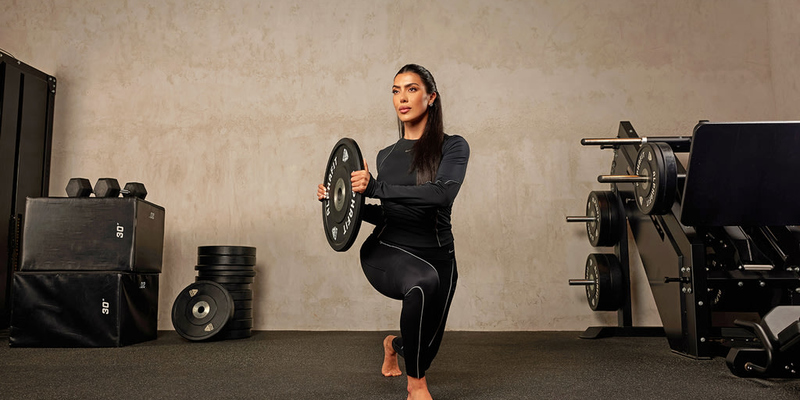
Understanding the main differences between these two training styles is essential when making a choice. Traditional lifting primarily focuses on strength and hypertrophy, using specific equipment like barbells and dumbbells in a gym setting. Workouts often emphasize progressively lifting heavier weights.
In contrast, functional training focuses on movements that mimic everyday activities, enhancing coordination, stability, and flexibility. This style often uses resistance bands, kettlebells, or body weight, making it suitable for various environments—gym, home, or outdoors.
Furthermore, traditional lifting routines are generally structured around isolated muscle groups, while functional training incorporates diverse, multi-joint movements that benefit overall athletics.
These differences highlight the importance of aligning your training style with your personal fitness goals: traditional lifting is ideal for those aiming for muscle gain, while functional training excels at improving daily function and injury prevention.
When to Choose Traditional Lifting
Traditional lifting is the right choice in several contexts where building muscle size, strength, and power is vital. This approach is excellent for those aiming for hypertrophy, as structured weightlifting with progressive overload (e.g., increasing weights on exercises like bench presses) is crucial for providing the stimulus for muscle growth.
For athletes, traditional lifting can be tailored to enhance sport-specific performance. For example, a sprinter might include deadlifts to improve explosive power during races. Likewise, a lineman in football can focus on heavy squats to build the lower body strength necessary for physical confrontations on the field.
Moreover, traditional lifting is indispensable in strength competitions like powerlifting and Olympic weightlifting, where mastering these specific lifts is essential for success. Thus, this method proves particularly effective for achieving specific training objectives within the fitness realm.
When to Choose Functional Training
Functional training shines in various scenarios that prioritize mobility, rehabilitation, and overall daily performance. For individuals recovering from injuries, functional training offers rehabilitation through exercises that restore strength and mimic everyday activities. For instance, someone recovering from knee surgery can enhance joint stability and mobility through exercises such as leg raises and step-ups.
In addition, those who wish to improve their everyday movements—such as climbing stairs, bending down, or lifting heavy groceries—will find functional training especially beneficial. Engaging in workouts involving body weight, resistance bands, or kettlebells can enhance core stability and balance, which directly translates into improved efficiency in daily tasks.
Furthermore, individuals beginning their fitness journey may find functional movements more accessible than traditional lifts, fostering confidence and correct form. Therefore, when the focus is on improved mobility, rehabilitation, or applying strength in day-to-day life, functional training is undoubtedly the better choice.
How to Combine Both Approaches
Integrating both traditional lifting and functional training can create a balanced fitness routine. Start by defining your fitness goals, whether they revolve around strength, endurance, or overall fitness improvement. A smart approach would be to designate specific days for traditional lifting (e.g., squats and bench presses) and other days for functional exercises (e.g., kettlebell swings and agility drills).
To maintain balance, consider incorporating compound lifts to boost functional strength, along with mobility workouts to improve flexibility. Keep track of your progress in both training styles and adjust routines as needed based on your body's feedback. Listen to your body and mix in lighter days focused on functional exercises whenever you feel worn out. Periodically reassess your goals to ensure your workout plan continues to meet your evolving fitness needs.
Explore Your Path to Fitness
This discussion explores two prominent training styles—traditional lifting and functional training—highlighting their benefits and contrasting philosophies. Traditional lifting emphasizes strength building through focused movements, making it suitable for those pursuing muscle growth, while functional training enhances daily movements and overall performance, ideal for improving everyday functionality.
Both styles have value, and the ultimate decision hinges on your fitness objectives. We encourage readers to reflect on their goals, experiment with different methods, and consider hybrid workouts. By doing this, you can create a more comprehensive fitness routine that meets your objectives while keeping your workouts engaging and dynamic.
Most Read

Why Self-Reflection Is The Key To Growth

Why Resting Is Essential For Personal Growth

8 Emerging Trends In Holistic Therapy For Stress Relief

The Rise of Recovery Tech: Ice Baths, Massage Guns, and More

The Truth About Fasted Cardio: Fat Loss Myth or Secret Weapon